Old English Texas: Where Blackletter Meets the Wild West
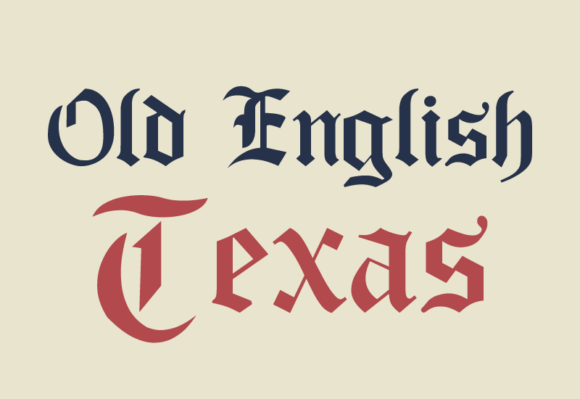
There’s a specific kind of design project where standard fonts just won’t cut it. You’re building a brand with grit, a vintage aesthetic, or a rebellious edge, and a clean sans serif feels too corporate. This is where a typeface with real character becomes essential. Enter Old English Texas, a bold, decorative blackletter font that doesn’t just sit on a page—it makes a statement. It’s not your typical historical script; it carries the weight of traditional Old English lettering but with a distinctive, robust flair that feels both timeless and unmistakably bold.
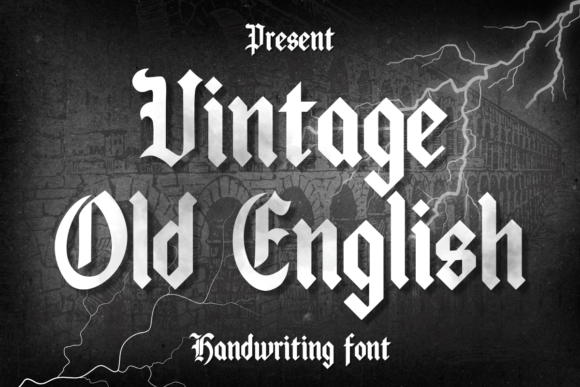
Visually, Old English Texas is all about intricate detail and strong presence. Its letterforms are built on the classic foundations of blackletter typography—think sharp, angular strokes and dense, textured shapes that create a sense of density and importance. However, it avoids being overly ornate or difficult to parse. The “Texas” influence brings a certain robustness and clarity, making it surprisingly versatile for a display font. It’s a premium font designed for impact, where each character is crafted to command attention in headlines, logos, and branding materials.
The Sweet Spot: Where This Font Truly Shines
Understanding where to use Old English Texas is key to unlocking its potential. It’s a specialist tool, not a workhorse for body copy. Its strength lies in projects that need an immediate injection of historical charm, classic Western elegance, or a touch of gothic gravitas. Think of it as the typographic equivalent of a well-worn leather jacket or a hand-painted sign—it adds instant personality.
For entrepreneurs and small business owners, it’s a powerful choice for logo design in specific niches. A craft brewery, a vintage barbershop, a tattoo parlor, or a Western wear brand can build an entire brand identity around this typeface. It signals authenticity and tradition. In packaging design, it can elevate a product like artisanal hot sauce, whiskey, or specialty coffee, giving the shelf presence a rugged, premium feel.
Designers and marketers will find it invaluable for creating standout social media graphics and posters. A single headline in Old English Texas can stop the scroll for a concert poster, a film festival promotion, or a limited-edition product launch. In editorial design, it can be used sparingly but effectively—think drop caps, section headers in a magazine, or the title of a book cover in the fantasy or historical fiction genre. Its gothic roots also make it a natural fit for medieval-themed events or Halloween campaigns.
Practical Guidance for Using a Bold Blackletter
Adopting a font like Old English Texas requires a thoughtful approach. Its decorative nature means readability is paramount. You should reserve it for large-scale applications: headlines, logos, single words, or very short phrases. Never set a paragraph in it. The goal is to use its visual weight to create a strong entry point, then pair it with a highly legible companion for supporting text.
This brings us to the critical practice of font pairing. Old English Texas demands a counterpart that complements without competing. A clean, simple serif font can create a classic, bookish vibe. A straightforward sans serif font offers a more modern, balanced contrast, letting the blackletter headline pop against a calm background. Avoid pairing it with other decorative, script, or handwritten fonts, as this will create visual chaos. The pairing should establish a clear visual hierarchy—the blackletter for the main attraction, the secondary font for the supporting cast.
Before committing, always test the font in context. Check the specific letter combinations for your project’s words. Some blackletter fonts can have tricky character pairs; ensure the spacing and ligatures work harmoniously. Review all the included styles and glyphs. A quality commercial font like this often includes alternates, swashes, or extended punctuation that can add extra flair to your design.
Finally, consider the licensing. If you’re using Old English Texas for a client’s logo, merchandise, or a digital product, you need to ensure you have the correct commercial font license. This protects both you and your client and is a mark of professionalism. It’s a small but crucial step in integrating this powerful design asset into your professional toolkit.
Beyond the Obvious: Creative Applications
While logos and posters are natural fits, think creatively about other applications. Imagine the title sequence for a documentary about the American frontier. Picture the menu for a steakhouse with a rustic, old-world ambiance. Consider the branding for a podcast about history or unsolved mysteries. In the digital realm, it can be used for a website’s hero section headline, immediately setting a powerful tone before transitioning to readable content below.
For crafters and hobbyists, Old English Texas can transform personal projects. Think custom apparel for a family reunion with a vintage feel, intricate vinyl decals for home decor, or standout titles in a scrapbook documenting a road trip through historic towns. Its versatility in modern typography projects lies in its ability to evoke a very specific mood—whether that’s the solemnity of a medieval manuscript or the rugged individualism of the Old West.
In essence, Old English Texas is more than just a creative font; it’s a gateway to a particular aesthetic. It requires careful, intentional use, but when applied correctly, it doesn’t just communicate a message—it tells a story. It brings depth, history, and a bold, unmistakable voice to any project lucky enough to wield it. For the designer, marketer, or entrepreneur looking to make a mark that feels both classic and powerfully original, it’s a typeface that deserves a serious look.